

Before I start, I would like to apologize for all the mistakes in the previous post. I read it this morning, and was embarrassed by all the typos. Will proof-read better tonight! (I hope. There might be more typos, it has been a long day).
Today was a BIG day. Big things to see, big ideas, big miles under the tires. I pointed the car northeast this morning and sailed through stunning scenery to Devils Tower National Monument in the Black Hills of Wyoming. I arrived at 9:00 am and was the only car in the parking lot except for the one belonging to the Visitor’s Center employee. Devils Tower is an iconic geologic wonder rising out of the prairies and ponderosa pine forest. You may remember it from the blockbuster 1977 movie “Close Encounter of the Third Kind”. I saw the film when it was released and was convinced that Devils Tower did not exist. I thought it must have been a set, or a painting. But let me tell you, 13 year old Jean, it is very, very real.
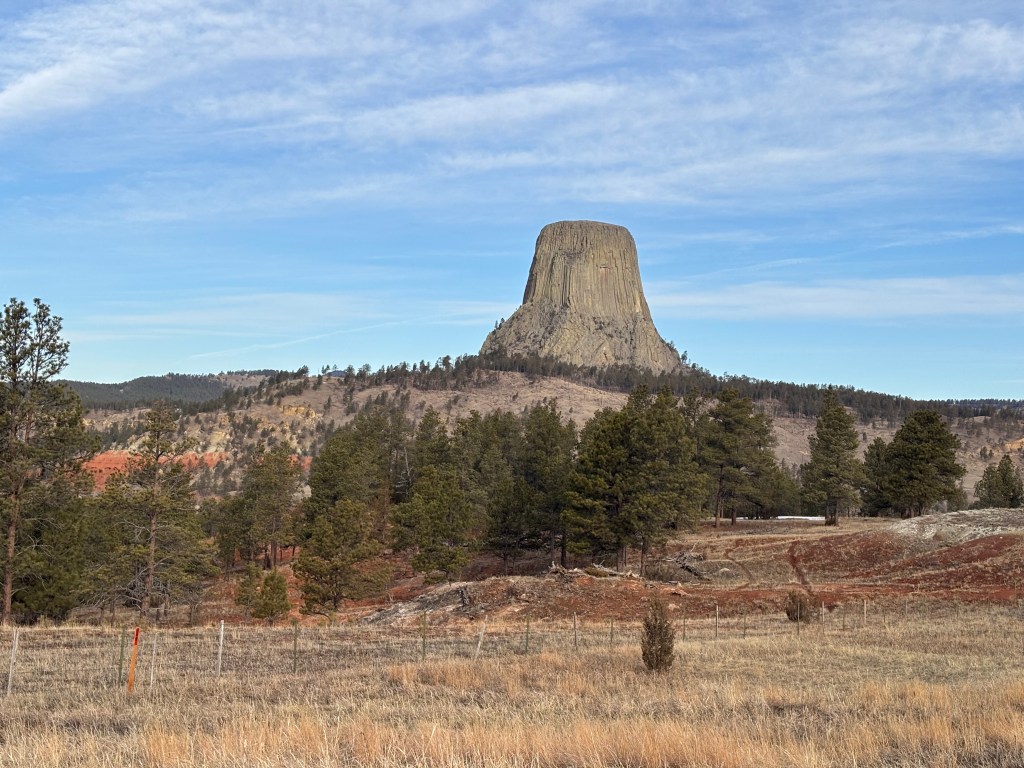
The 867 foot tall Tower is made of phonolite porphyry, a rare igneous rock. It was the United States’ first national monument, dedicated on Sept 24, 1906 by Theodore Roosevelt. Much of the geologic story is agreed upon, but there are possible ideas on how it was exactly formed. Three possible theories are 1. a volcanic neck or plug, 2. a laccolith intrusion, and 3. a maar-diatreme crater. I have no idea what any of those things are. If you are interested, please consult the internet. If you are a geologist, let me know your thoughts.
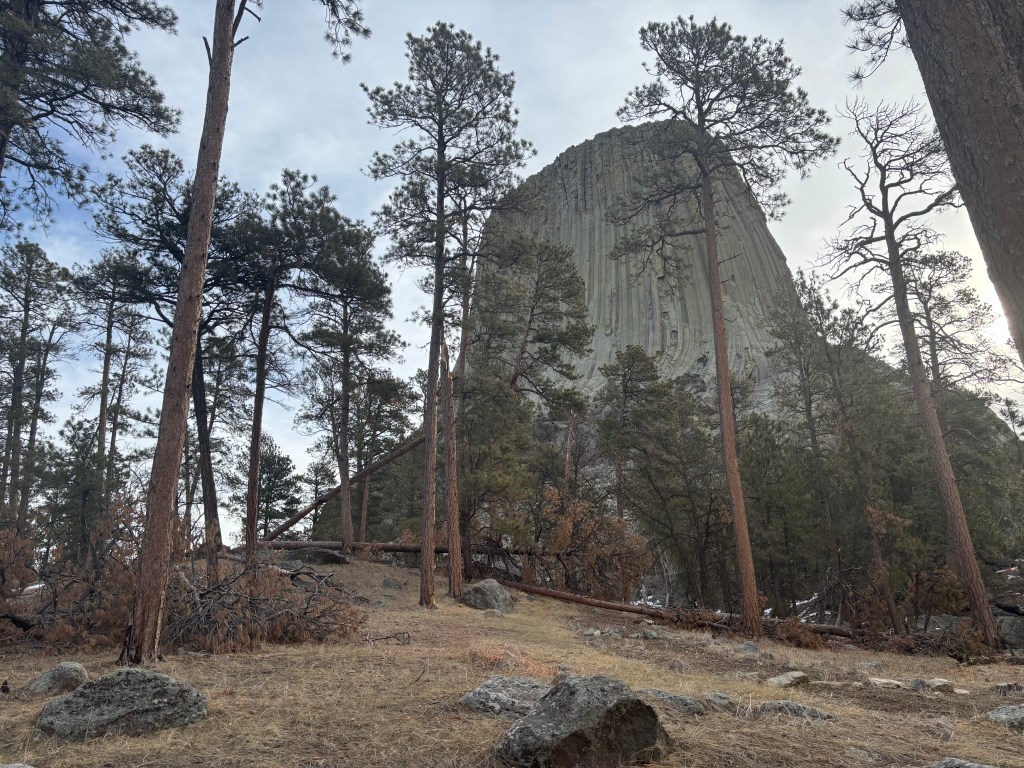
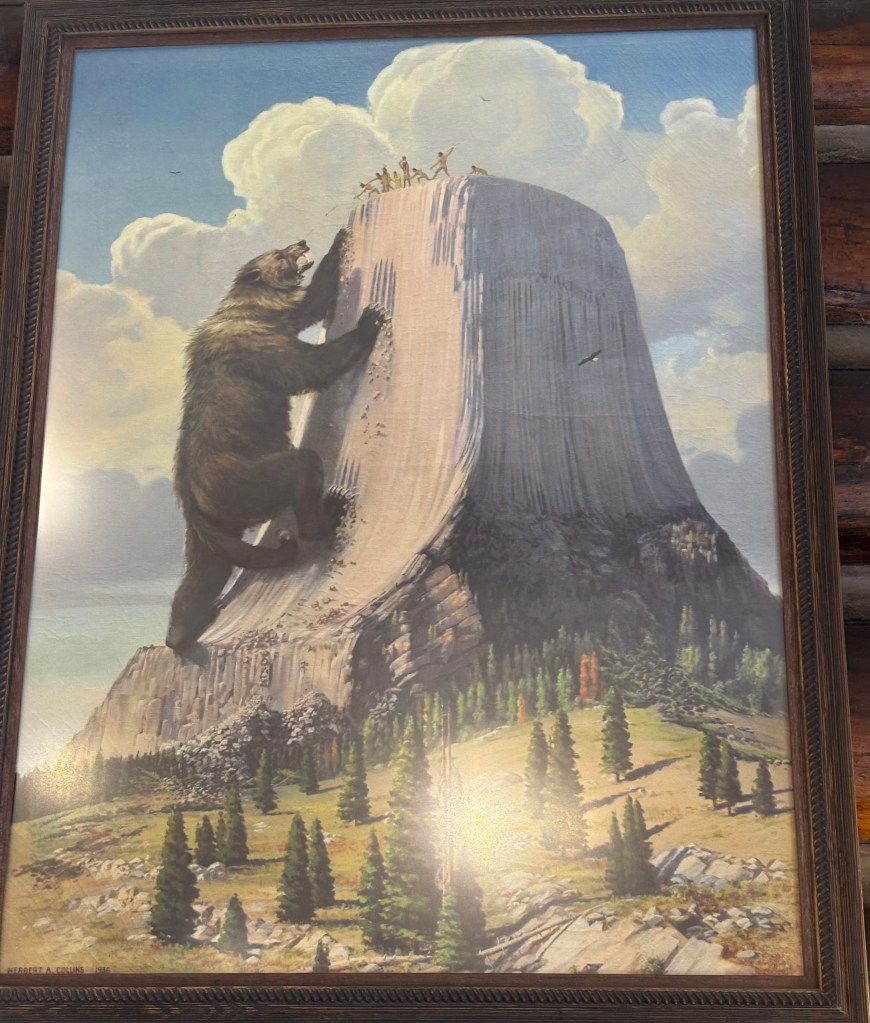
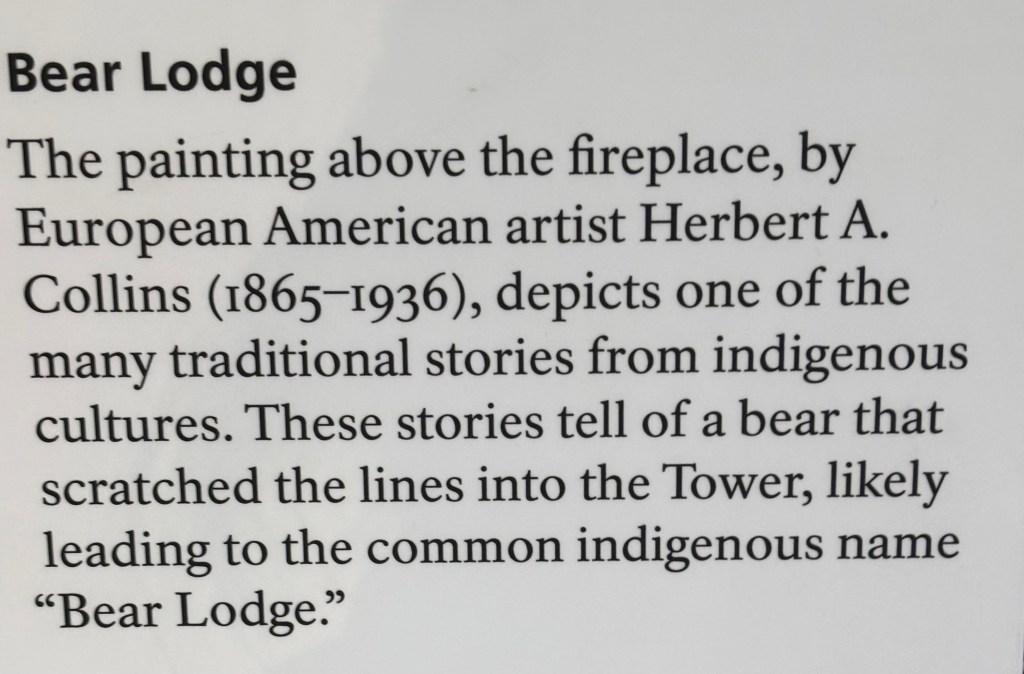
Over twenty Native American tribes are associated with the Tower. Among these, six nations have lived in the area at some point in their history. These are Arapaho, Cheyenne, Crow, Kiowa, Lakota, and Shoshone. Members of these nations continue to revere the sacred significance of the Tower. The indigenous names for the Tower are as varied as the nations connected with this area. The earliest official map of the area dates to 1857, where the formation was shown as “Bear Lodge”. In 1875, Colonel Richard Dodge led an expedition into the Black Hills. He wrote, “the Indians call this shaft “The Bad God’s Tower”. This was later modified to “Devils Tower” and the name remained. Many tribes objected to the name, feeling it was a mistranslation of their names for the Tower.
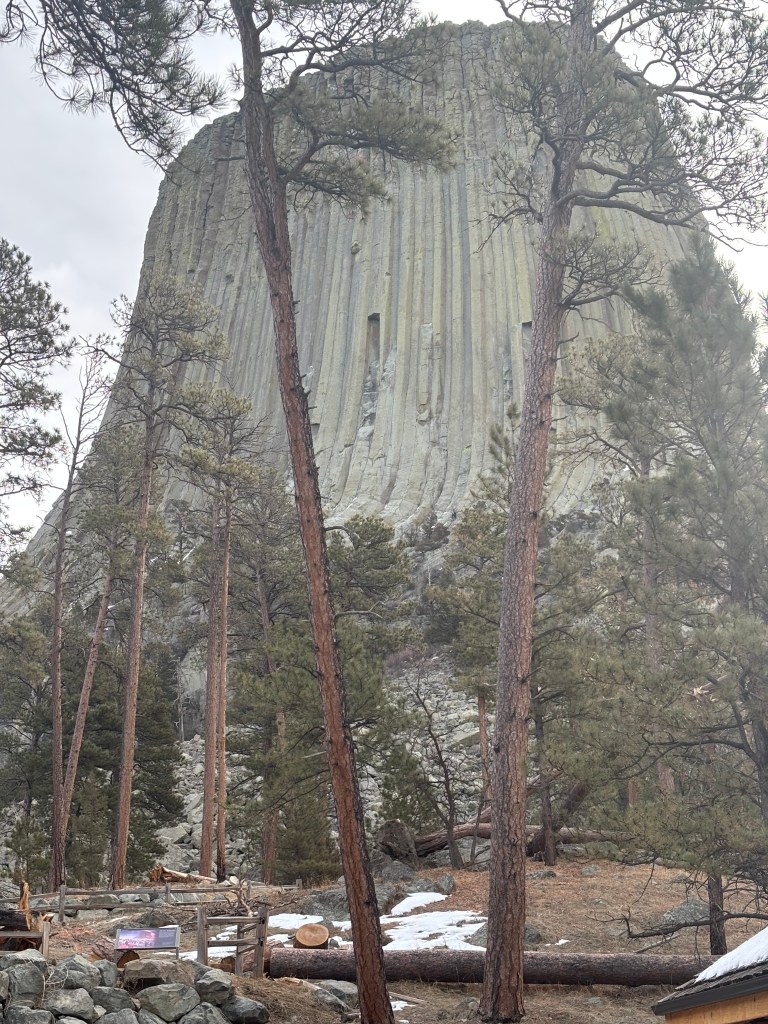
I could have lingered here for hours, but there were more big things ahead.
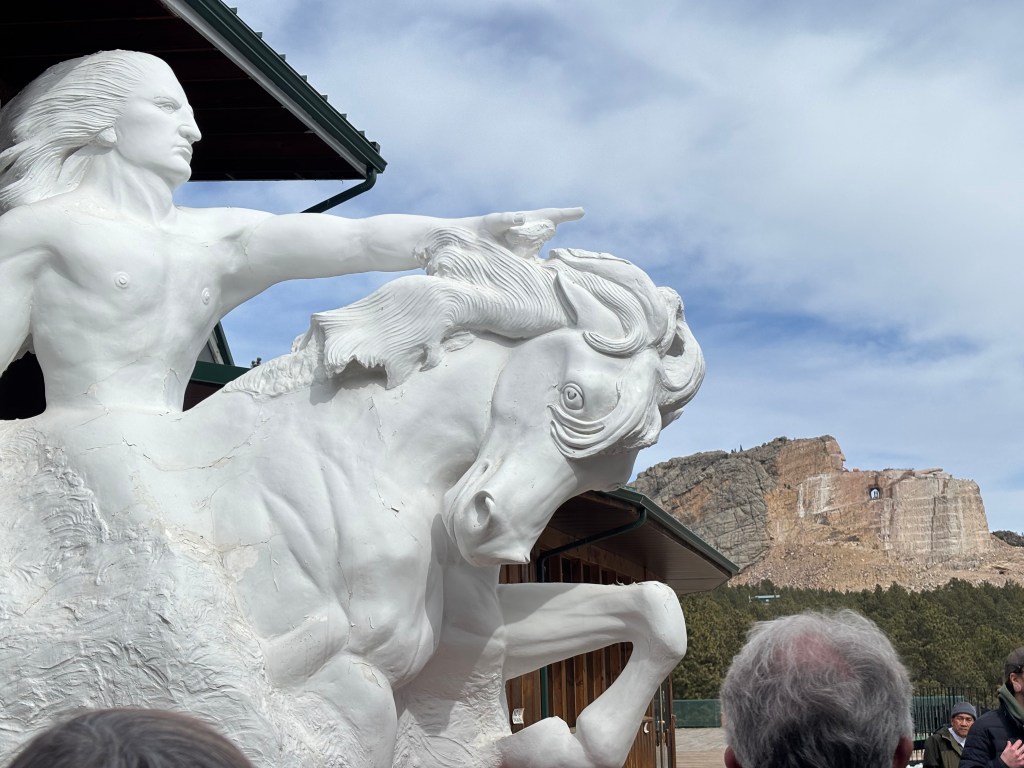
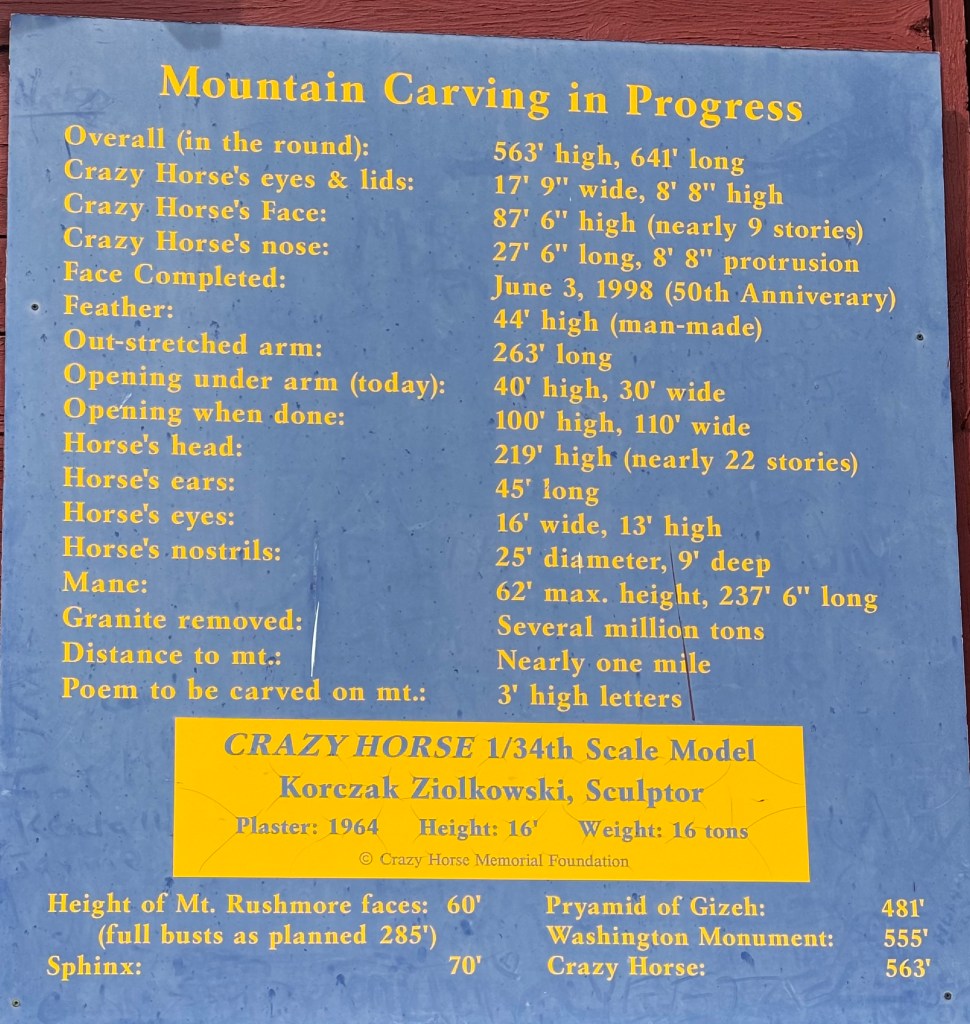
South through the Black Hills, into the Black Hills National Forest of South Dakota is an unbelievably HUGE man-made (man-continuing to be made) wonder. Henry Standing Bear, an Oglala Lakota Chief and well-known statesman and elder in the Native American Community, recruited and commissioned Polish-American sculptor Korczak Ziolkowski to build the Crazy Horse Memorial. In 1939, he informed the sculptor, “My fellow chiefs and I would like the white man to know that the red man has great heroes, too”. (Mount Rushmore, 17 miles away, was completed in 1941). The Crazy Horse Memorial began construction in 1948 and continues to this day.
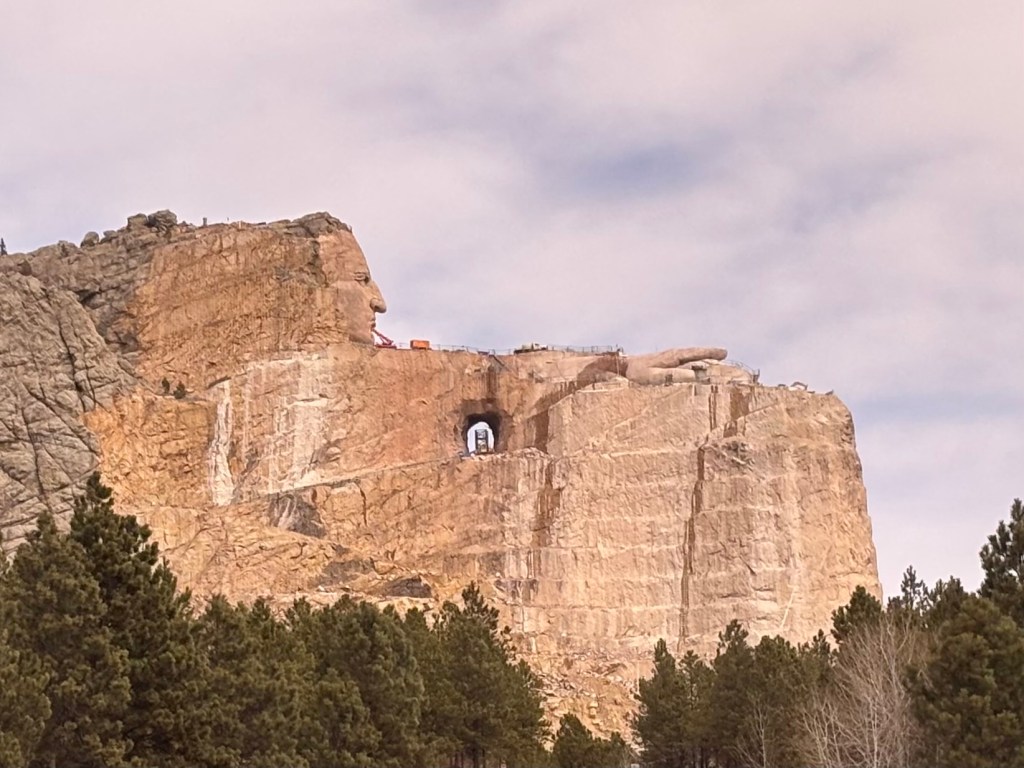
When Ziolkowski began construction, he was the only one working on the project. He moved to the Black Hills in 1947, and spent a year building his house, a work shop to house his air compressor drill, and a staircase to take him to the top of the mountain. When he began to blast away the mountain, he would climb 771 steps to drill a hole for the explosives. The drill was old, and often stopped working, so he would come down the stairs, unkink the hose, and walk up the stairs, often many times a day. He and his wife, Ruth, who was 18 years his junior, had 10 children, 5 boys and 5 girls. The boys would help with the work on the mountain and the girls would work in the parking lot and visitors center as tourists started coming to see what was happening. When Ziolkowski died in 1982, Ruth took over the project as director of the Crazy Horse Memorial Foundation. Ruth died in 2014. All of their children and two of their grandchildren have continued the carving of the monument or are active in the Crazy Horse Memorial Foundation. The rocks that are blasted away are crushed and used for the roads at the complex. The Crazy Horse Memorial Foundation also supports The Indian Museum of North America and The Indian University of North American. The foundation was started in 1948, because Standing Bear and Ziolkowski did not want to use US government funds for the project. They did not trust that the government would honor it’s commitment to fund the project to completion.

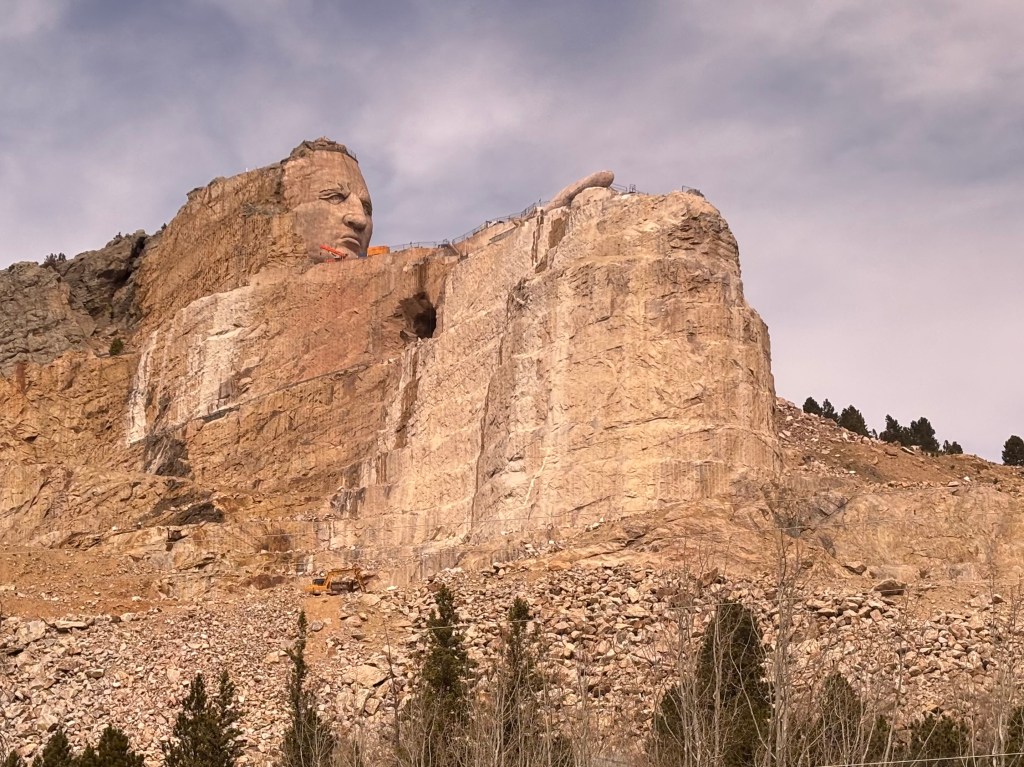
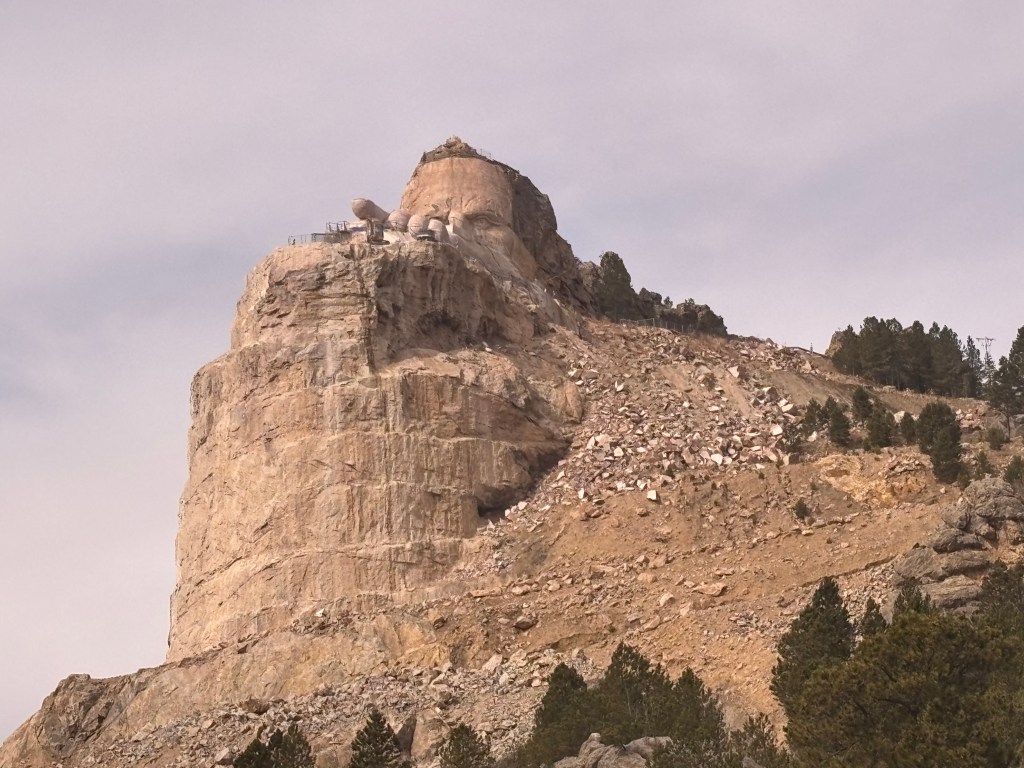
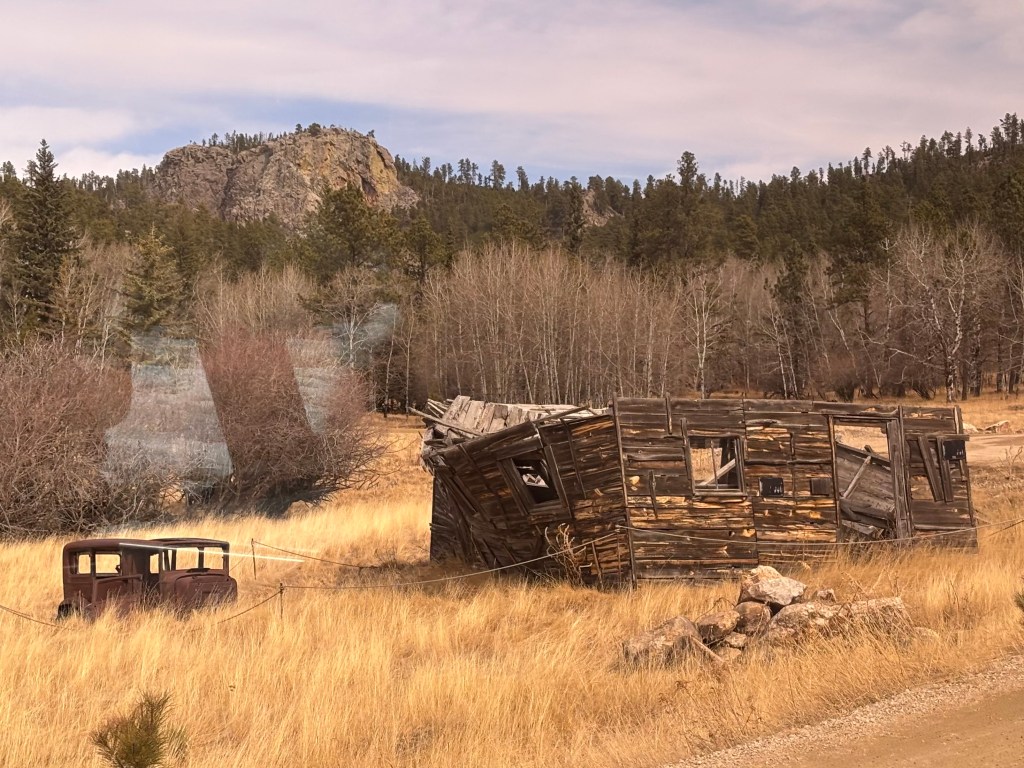
Below are the remains of a homestead that was on the property when Ziolkowski arrived. The father and son that were living there remained and eventually helped with the project.
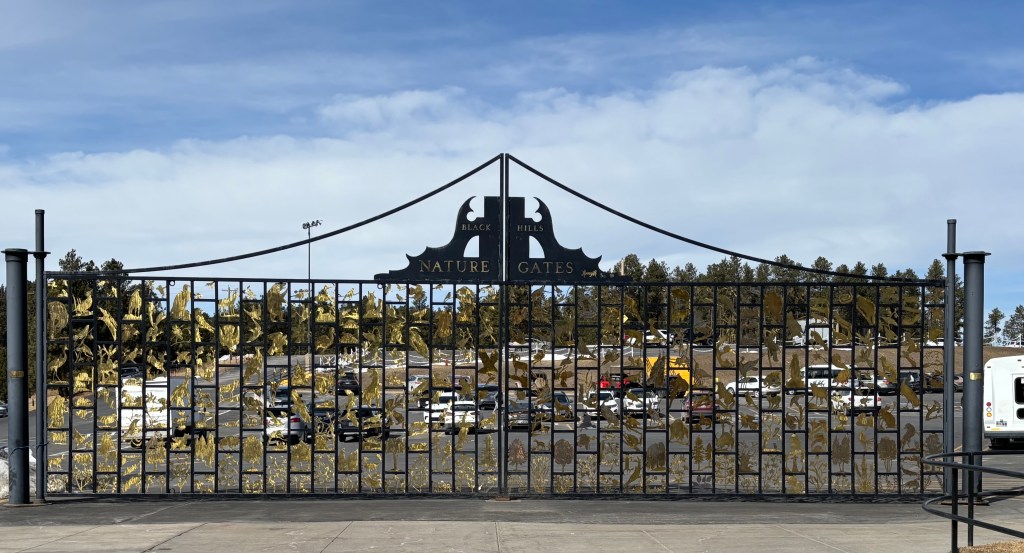
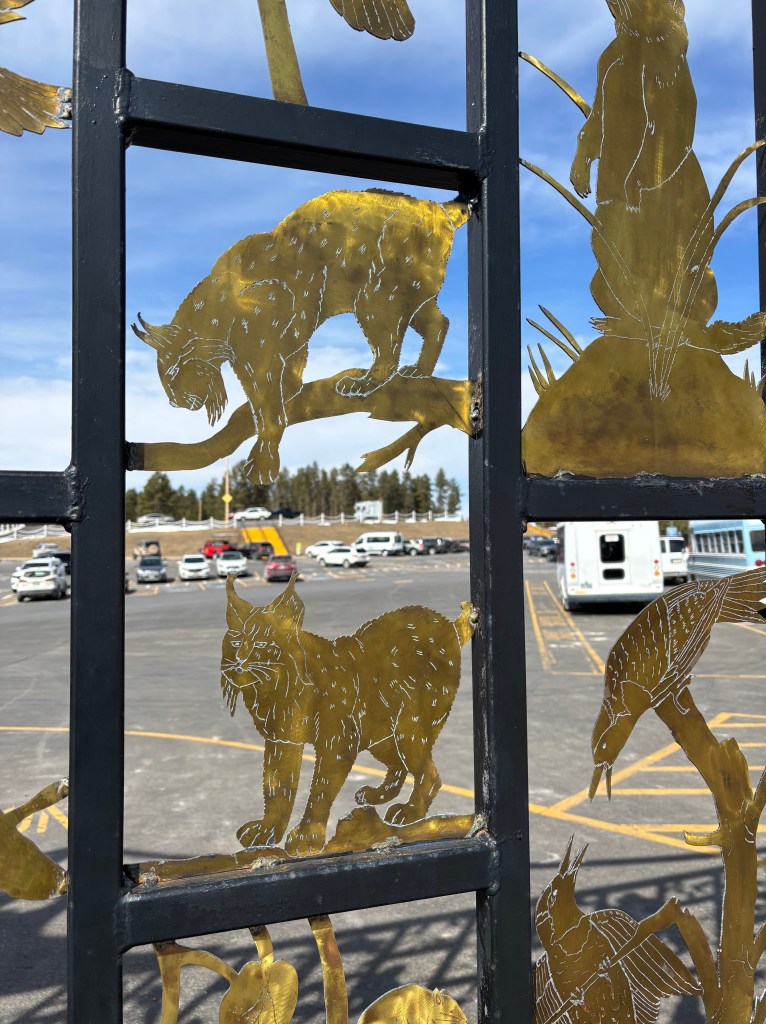
In the later years of his life, when he could no longer go up the mountain, Ziolkowski created the Nature Gates with over 200 wildlife carvings. It stands at the Visitors Center.
There is opposition to the memorial. Some Native Americans consider the memorial an insult to Crazy Horse, who resisted being photographed and was deliberately buried where his grave would not be found. John Fire Lame Deer, a Lakota medicine man, said in his 1972 autobiography, “The whole idea of making a beautiful wild mountain into a statue of him is a pollution of the landscape. It is against the spirit of Crazy Horse.” Others felt that Standing Bear had no right to make this decision without consulting elders from the Lakota Nation.
Not surprisingly, there is no timeline for the completion of the Crazy Horse Memorial.
East of the memorial, through the Black Hills forest stands Mount Rushmore. A glimpse of Washington can be seen as you approach the monument.

In 1923, South Dakota state historian Doane Robinson proposed carving Old West heroes into the spire like granite formations in the Black Hills. He approached sculptor Gutzon Borglum to design and manage the project. In 1925, federal and state legislation authorized carving of the memorial. To appeal to the national audience, Borglum proposed US presidents as subjects and in 1927, carving began.
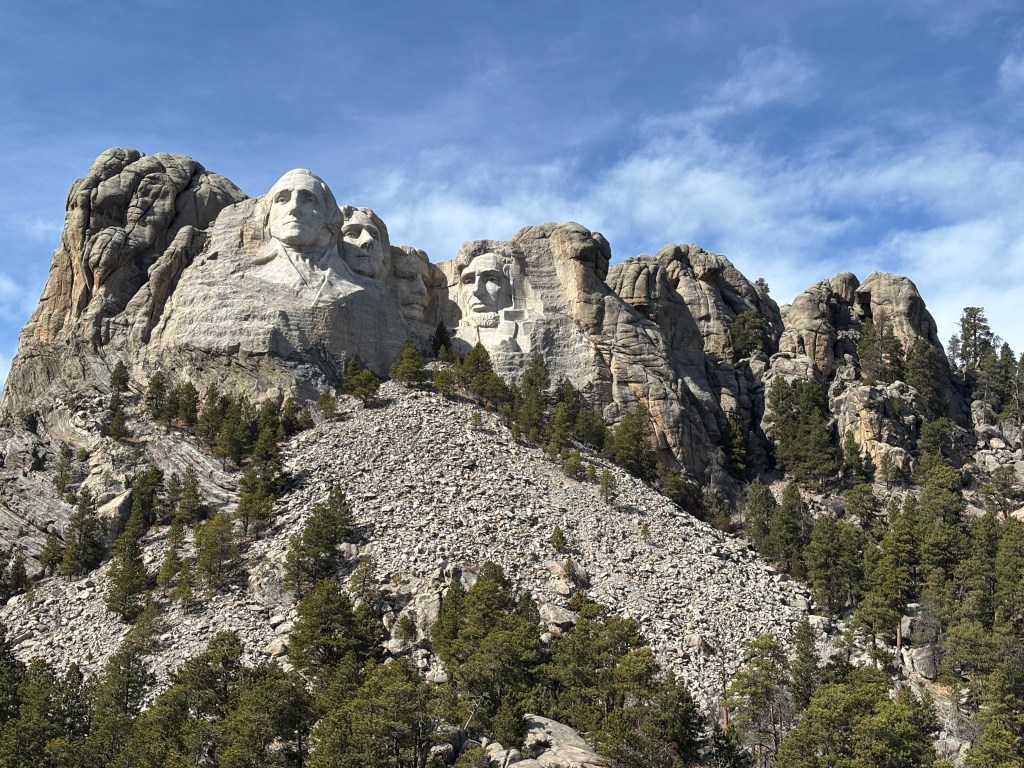
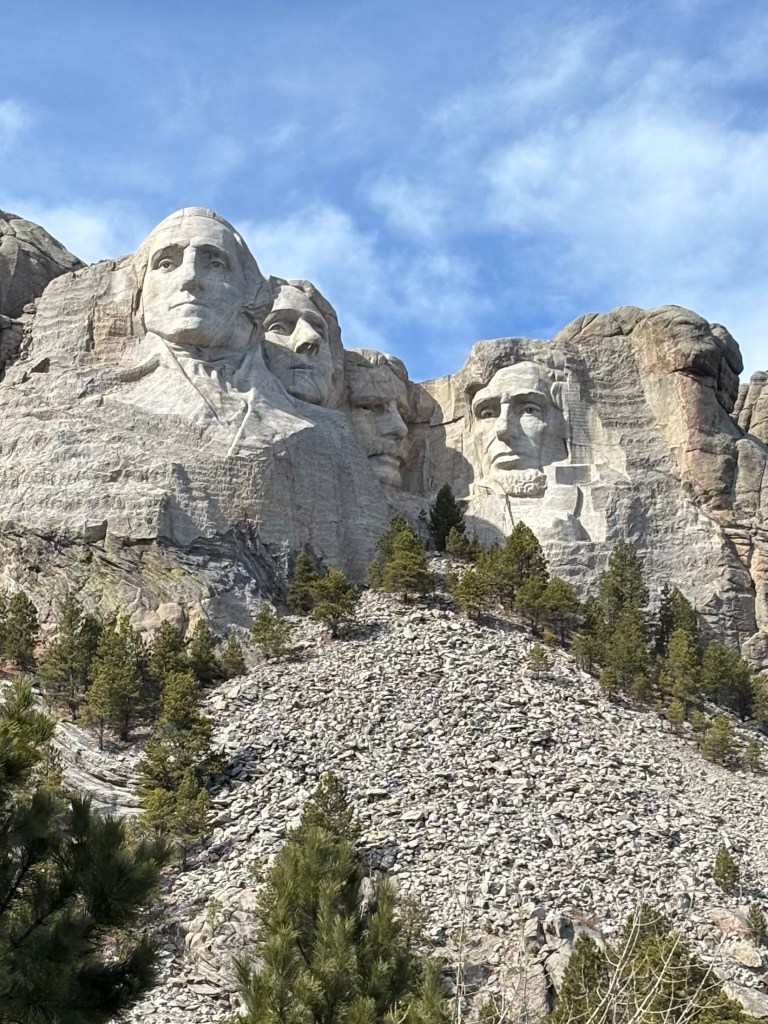
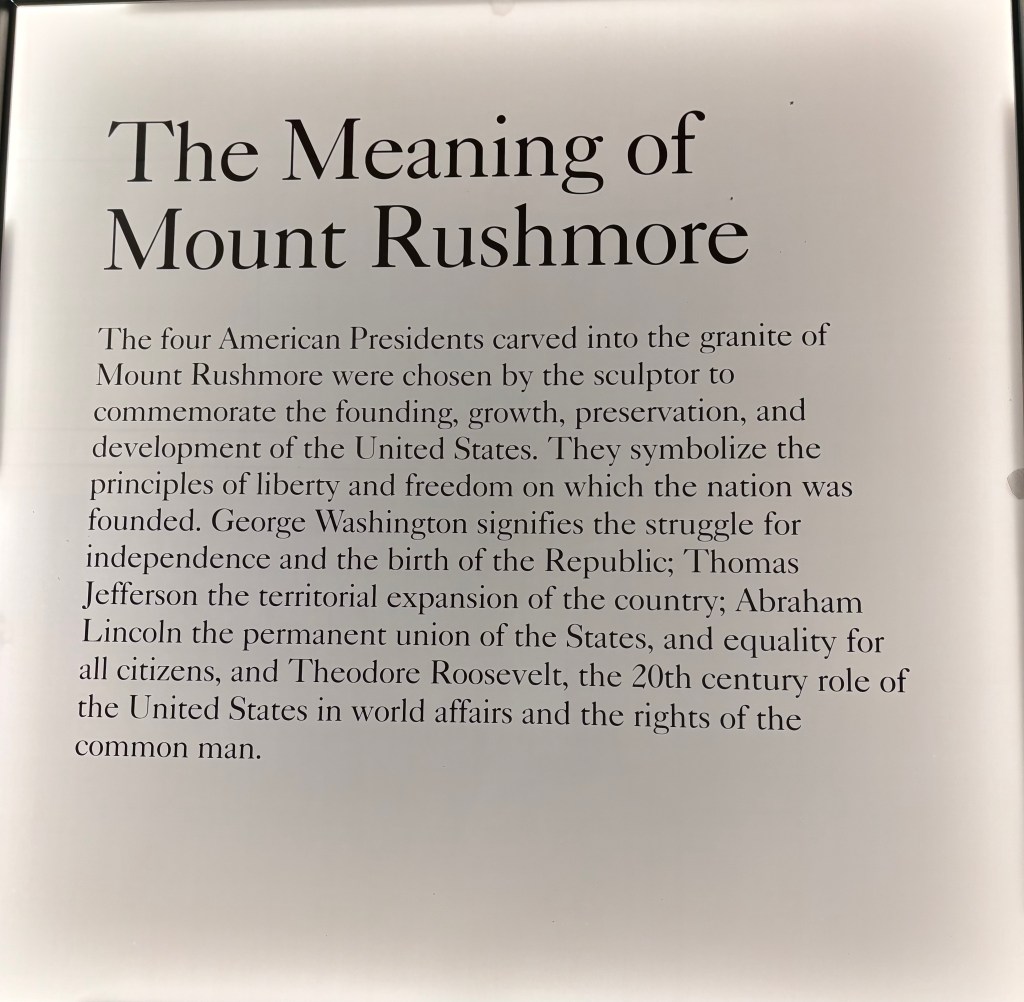
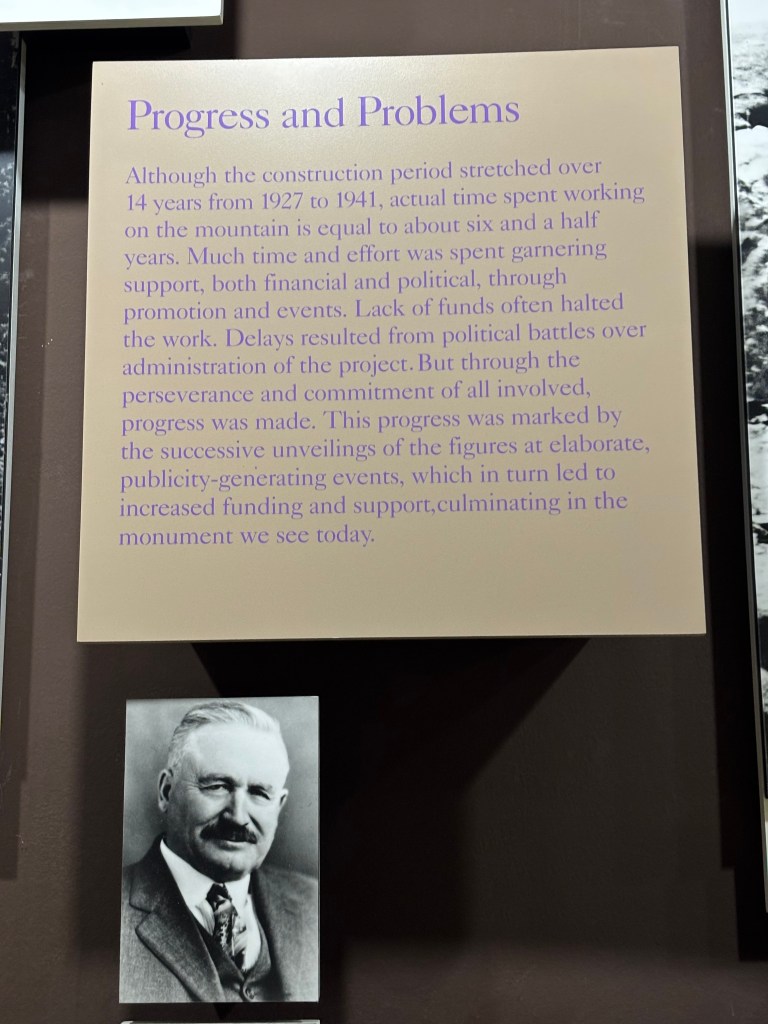

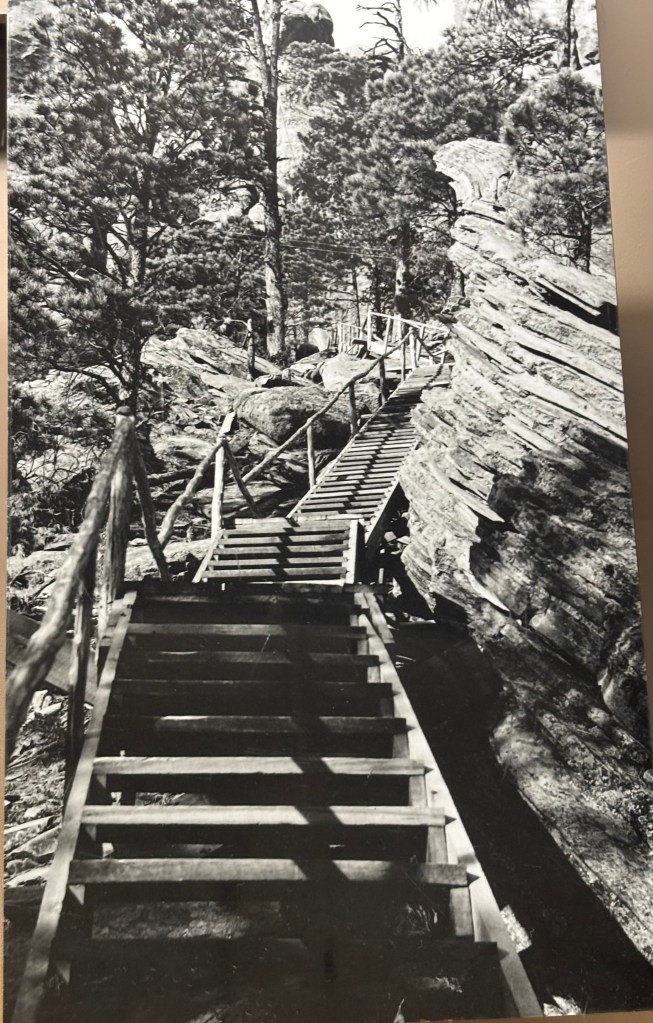
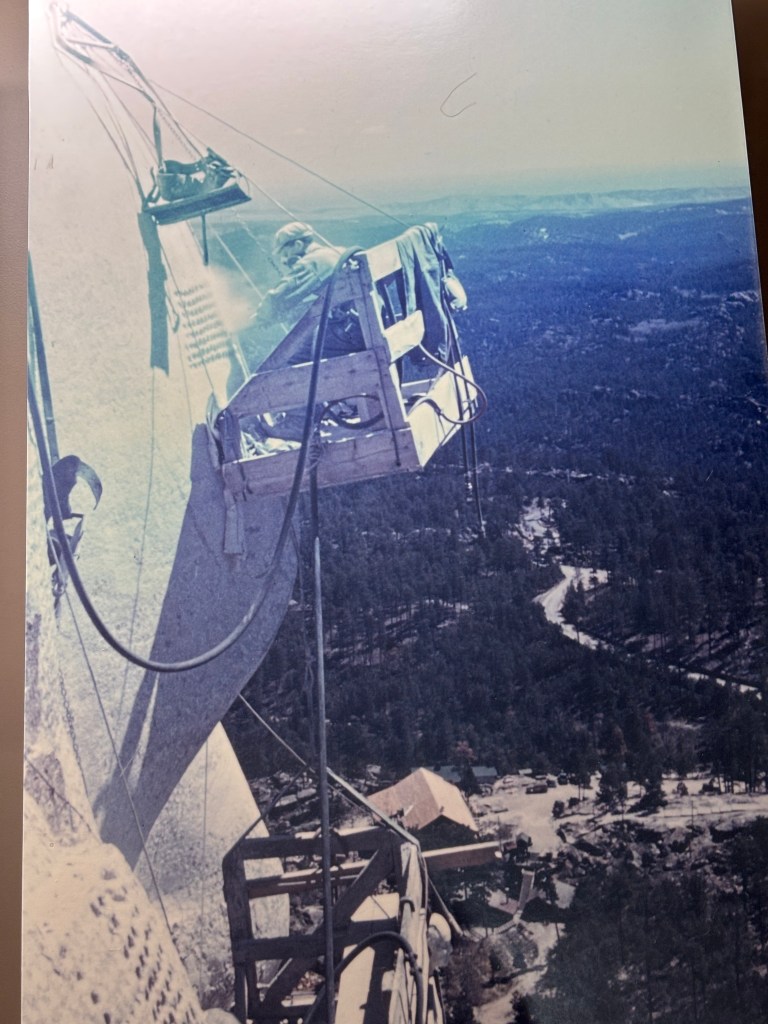
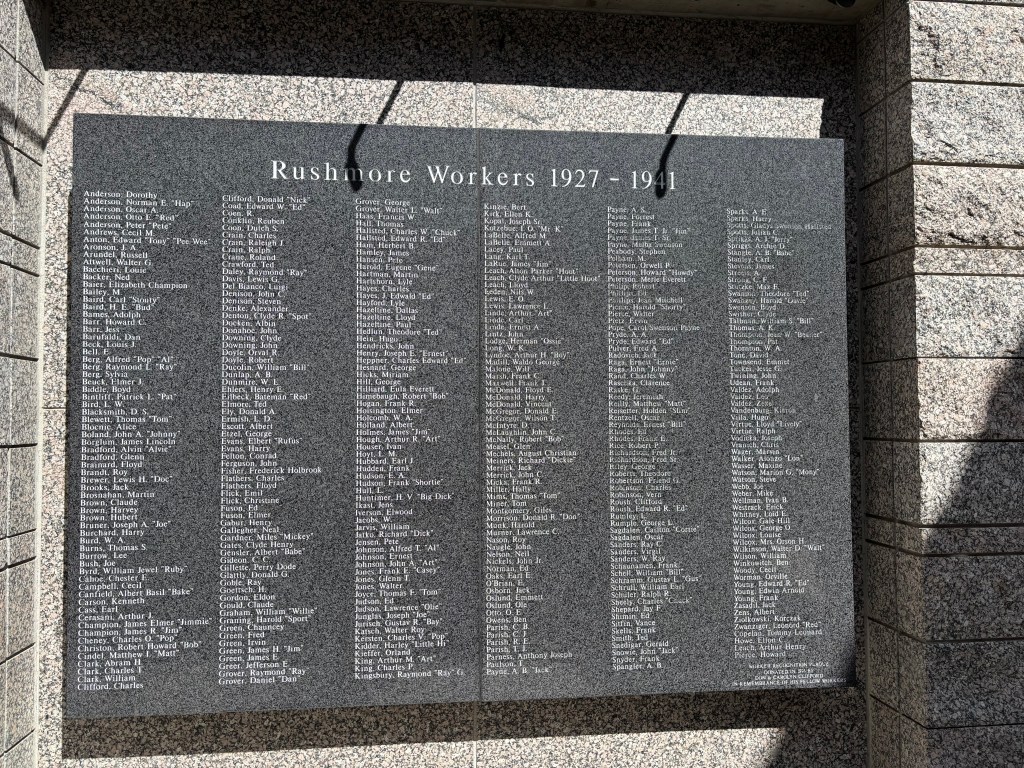
About 400 laborers worked on the monument. Amazingly, there were few injuries and no deaths.
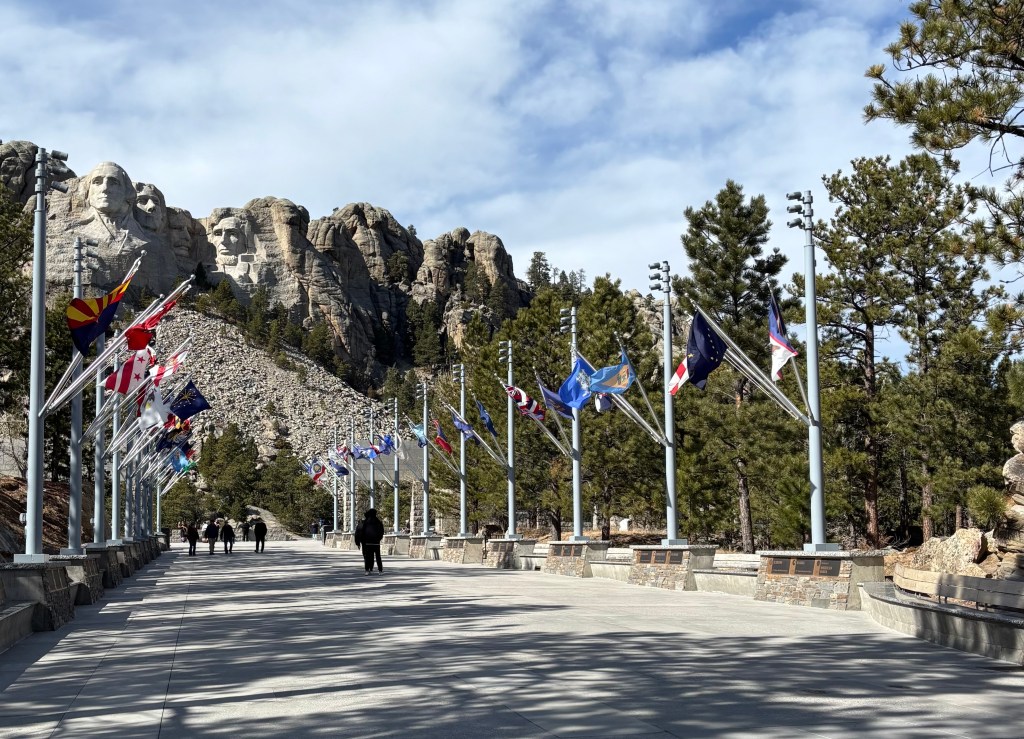
Flags from all 50 states as well as territories are flown in front of the monument.
By this time, it was 2:30 pm, I had a 5 1/2 hour drive to Sioux Falls, SD and I would lose an hour as I moved into the Central Time Zone. So I moved eastward on my journey.
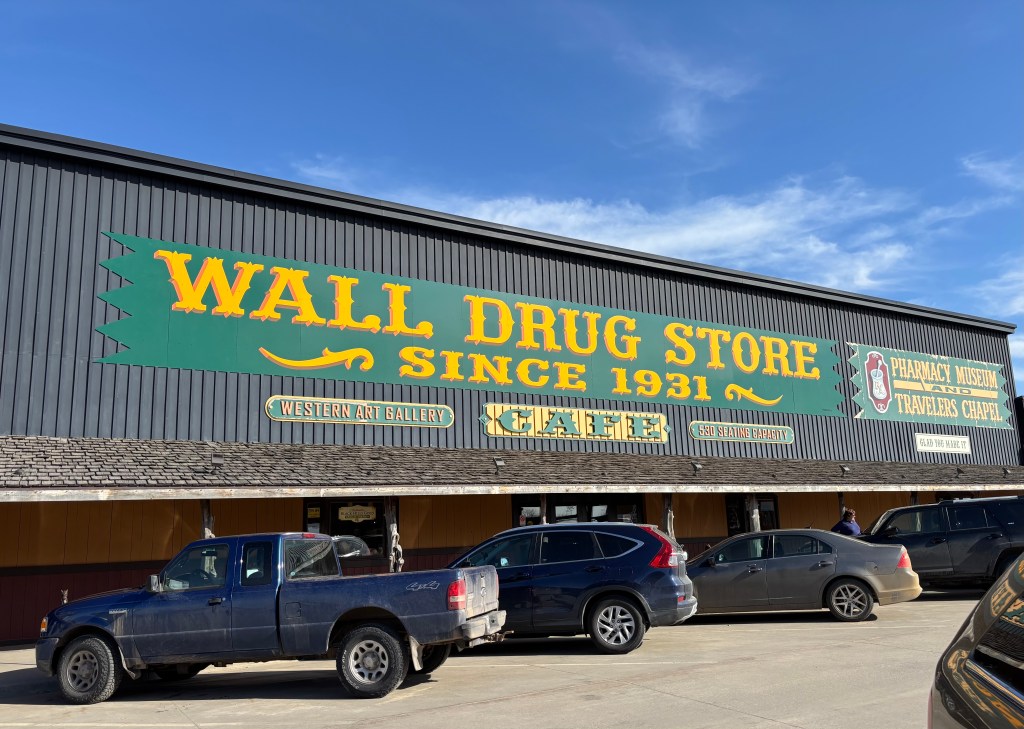
After I left the Black Hills, it was a straight, flat drive to Sioux Falls. Just as I began to listen to an audiobook, and wondering what I was going to look at (besides the road, obviously), I saw signs for Wall Drug. And I continued to see signs for Wall Drug, one every 2-3 miles or so for 70 miles. So naturally, I had to stop in Wall, SD to see Wall Drug. Wall Drug is a collection of cowboy-themed stores including a drug store, gift store, several restaurants, and various other stores, as well as an art gallery and an 80 foot brontosaurus sculpture (which I did not see until I was back on the interstate, speeding away). It was described in the New York Times as “a sprawling tourist attraction of international renown (that) draws some two million annual visitors to a remote town”.
In 1931, Ted Hustead bought a small drugstore, in a 231 person town in what he referred to as “the middle of nowhere” and strove to make a living. Business was slow, until his wife, Dorothy, thought of advertising free ice water to thirsty travelers heading to newly opened Mount Rushmore. From that time on, business was brisk. Ted’s son and grandson, joined the family business and continued to expand and run the store. I thought I ought to buy something so I purchased a home made doughnut. It was WALLderful! (Give me a break, it’s really late).
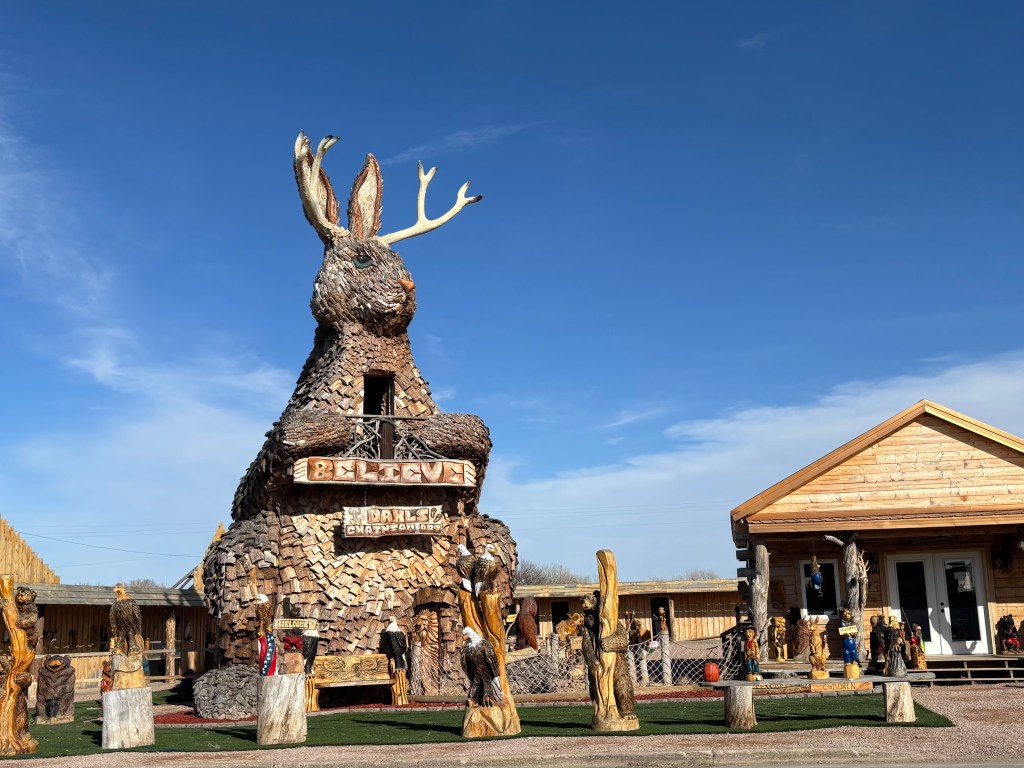
On my way out of town, there was one more big thing.
Tomorrow is a short driving day, but a day I have looked forward to for a month. I will be staying with my college friend Kris, who sang at my wedding almost 40 years ago, and I have not seen since. That to me is a BIG thing.
 What’s In Between